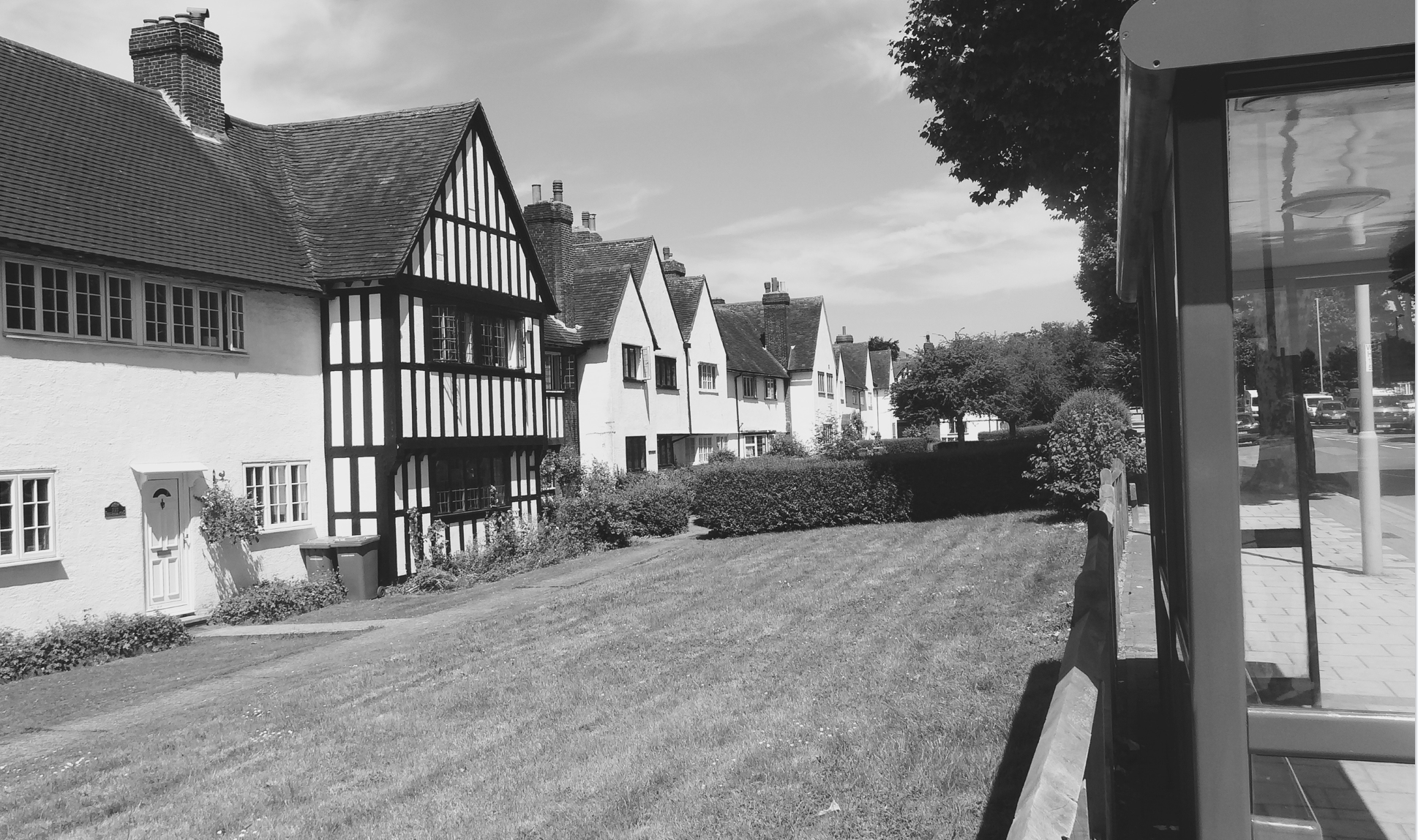
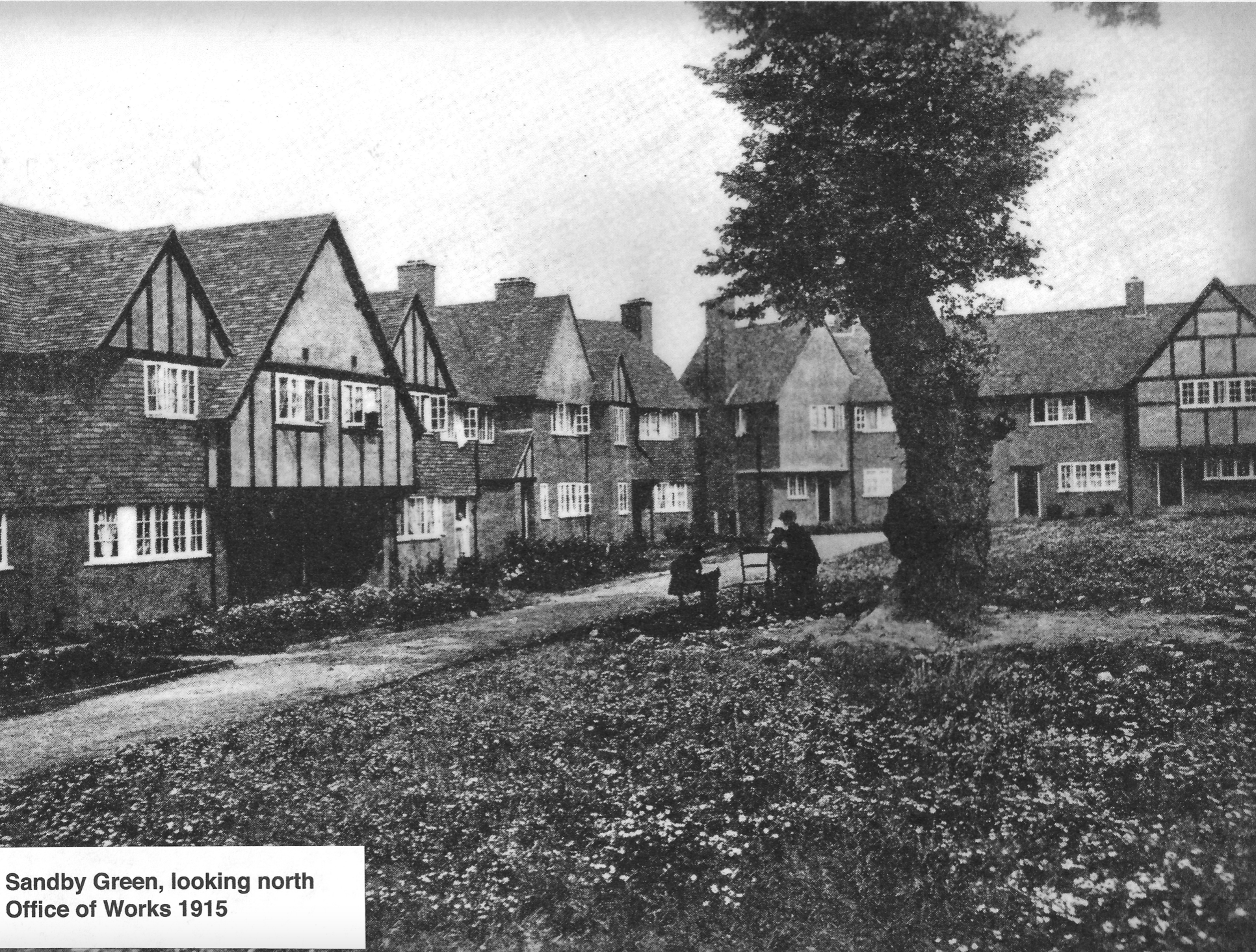
In March we were lucky to have Lynne Dixon come to speak to us at our first face to face meeting this year about the Progress Estate in Eltham. The Estate is still popular today and has been maintained very much as it was when it was built in 1915. We were amazed to discover it was designed and built between January and December 1915 and contained 1,086 houses and 212 flats. It was built to house senior and skilled workers employed at the nearby Royal Arsenal munitions factories in nearby Woolwich.
Lynne focused on the women who lived on the estate. The families generally arrived from the Medway towns and in and around London. She described how the estate was ‘the first and most spectacular of the garden suburbs built by the government during the First World War to house munitions workers.’ It was intended from the start to be a showpiece solution to the emergency housing problems created by the war.
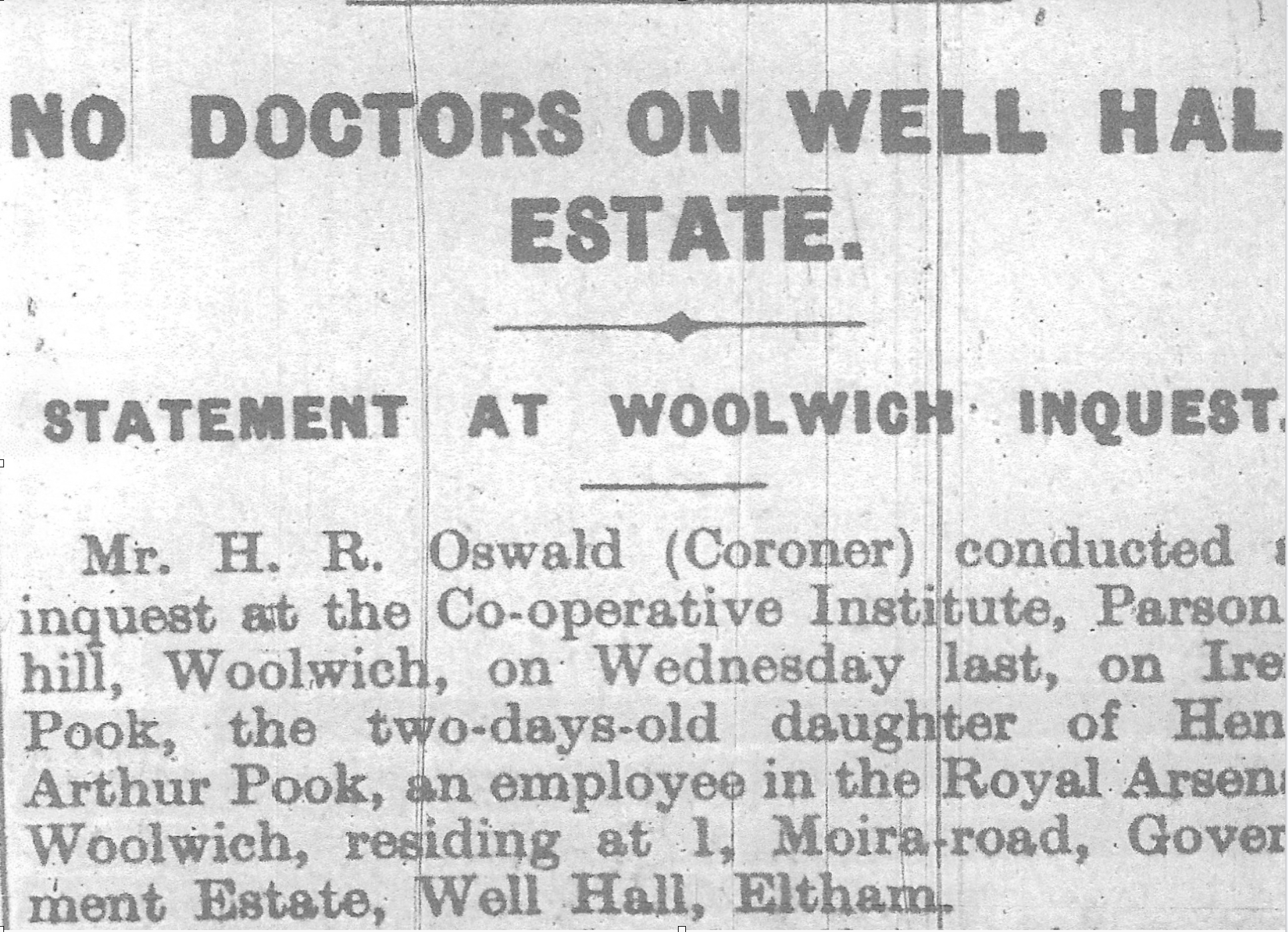
There were several different designs for the houses with the more up market houses having 4 bedrooms and a parlour and others that were smaller but had a scullery. Lynne described how the women worked in the munitions factories and then after their shift they had to queue for hours with their ration books to buy food before returning home to the chores like washing and cooking. The families found that whilst the housing on the estate was a showpiece; the estate lacked many amenities that they needed like doctors’ surgeries, schools, and local shops which made life very difficult especially for the women. The women worked together to make improvements and tried to establish a community kitchen in Woolwich. Interestingly, the Well Hall Garden City Tenants Association recognised the unique and important contribution women made noting that they occupied the houses more frequently than the men as they often had cottage businesses that they ran from home. The Tenants Association decided to support women by including them on their committee and by stating that they were considered joint tenants long before they could legally be recognised as joint tenants. Lynne told us that the estate was visited by Queen Mary in 1916. During the visit she met three residents in their different homes and took tea with them before being driven to Woolwich Arsenal to inspect the canteen facilities.
The estate was granted Conservation Area status in 1975 and celebrated its 100-year anniversary in 2015.